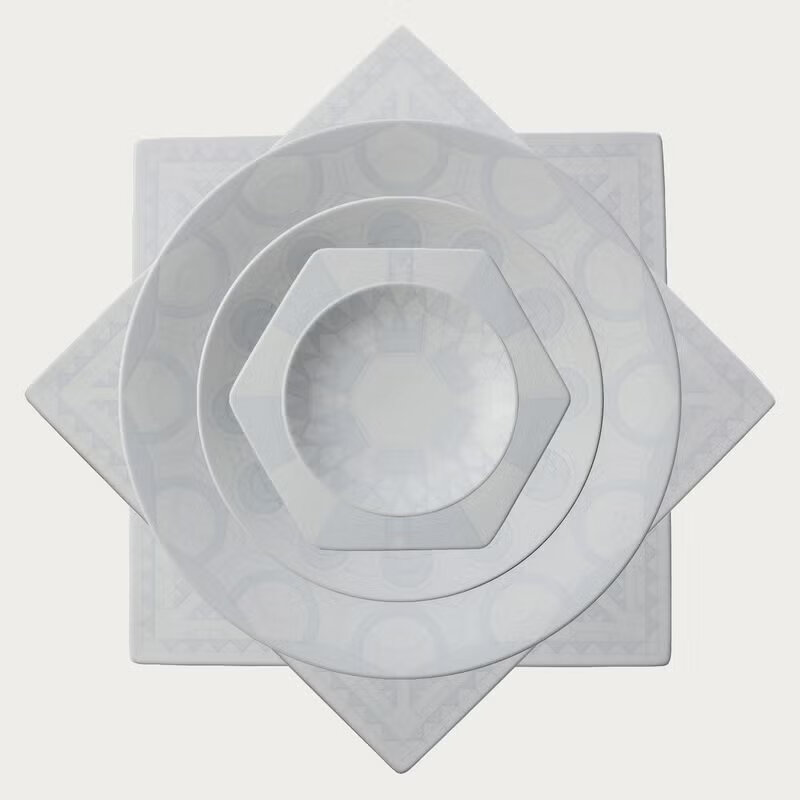

Noritake Design Collection|IMPERIAL PEACOCK by the Frank Lloyd Wright Foundation
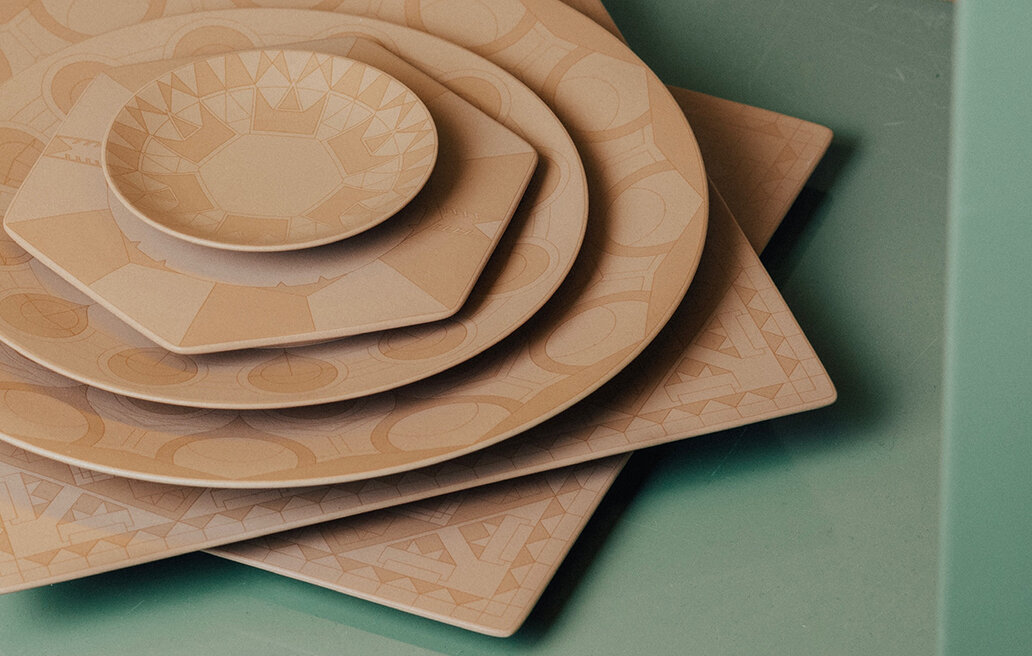
Photography by Taran Wilkhu
世界的なデザイナーとのコラボレーションにより新しいシグネチャーコレクションとして始動した「Noritake Design Collection」。個性豊かなデザイナーの創造性をノリタケのクラフトマンシップによる高い技術と技能で表現します。
ノリタケスクエア名古屋 (ノリタケの森内)でも展示販売しております。
皆様のご来店をお待ちしております。
The Noritake Design Collection is a signature collection that invites diverse design talents from around the world and integrates a high degree of artisanal craftsmanship with the creativity of individual designers.
The collection is also available for viewing and purchase at Noritake Square Nagoya (located within Noritake no Mori).
We look forward to welcoming you to the store.
フランク・ロイド・ライトと孔雀の調和美
 Photography by Stefan Dotter
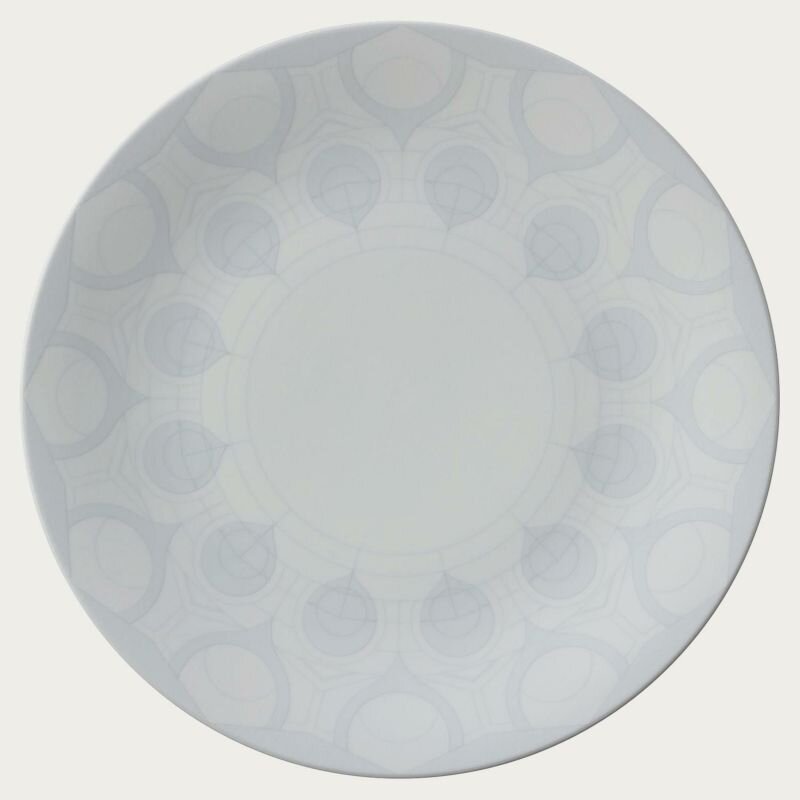
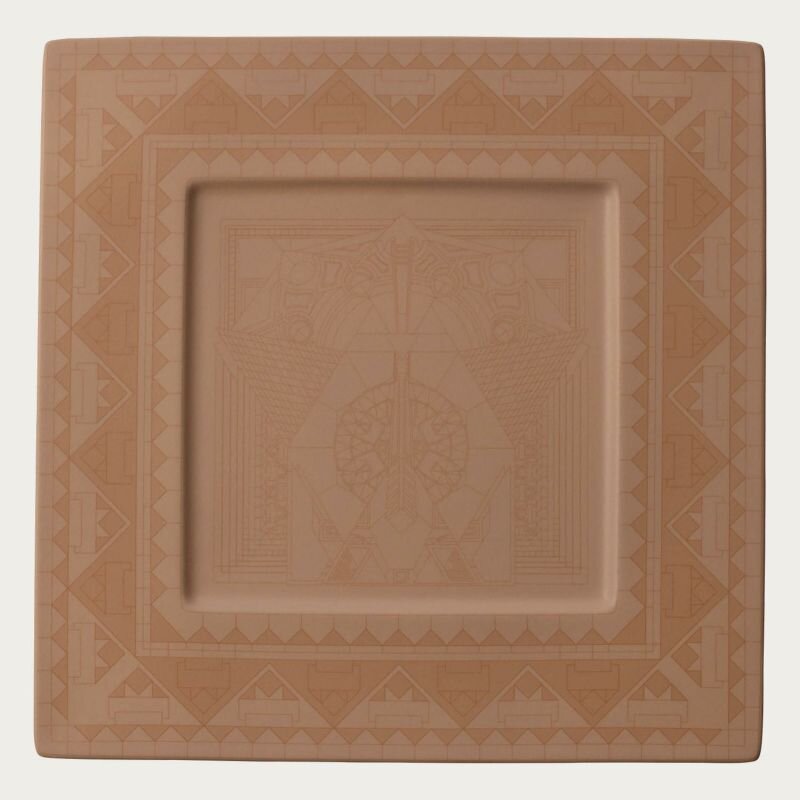
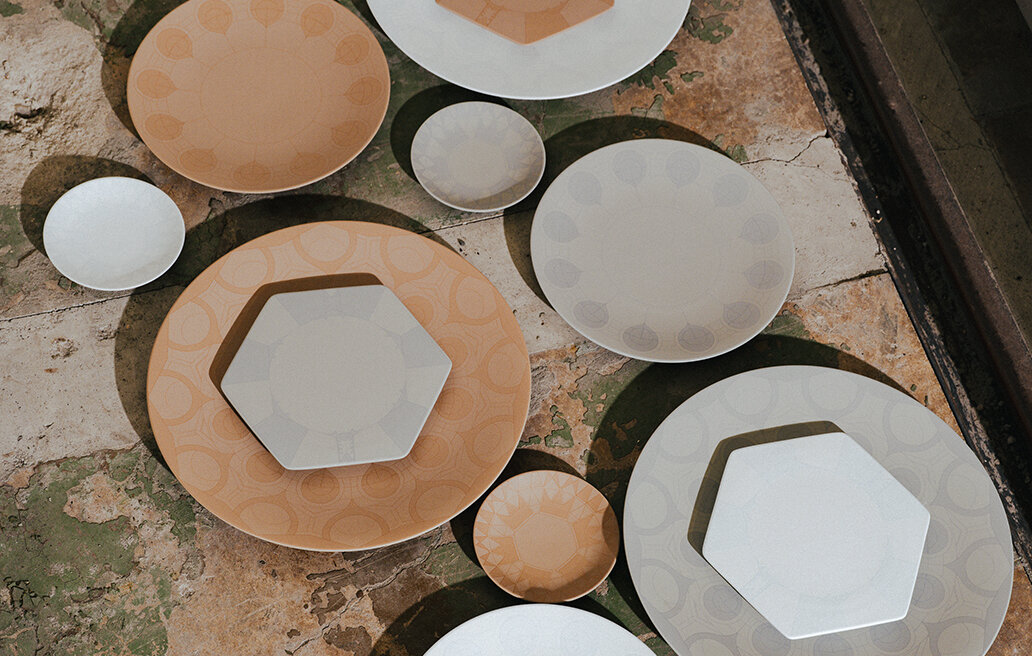
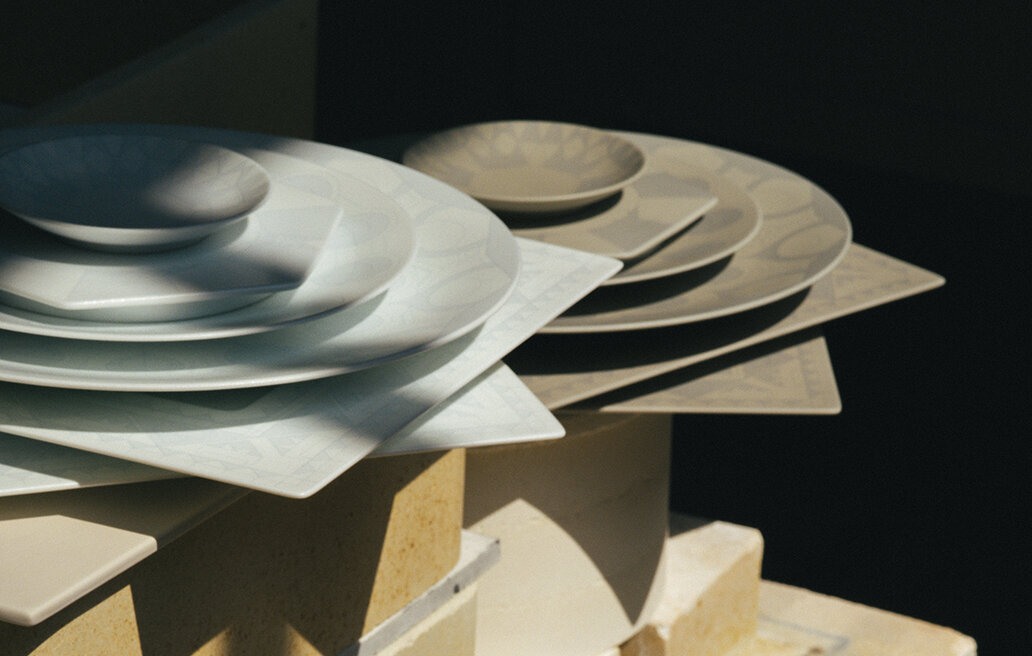
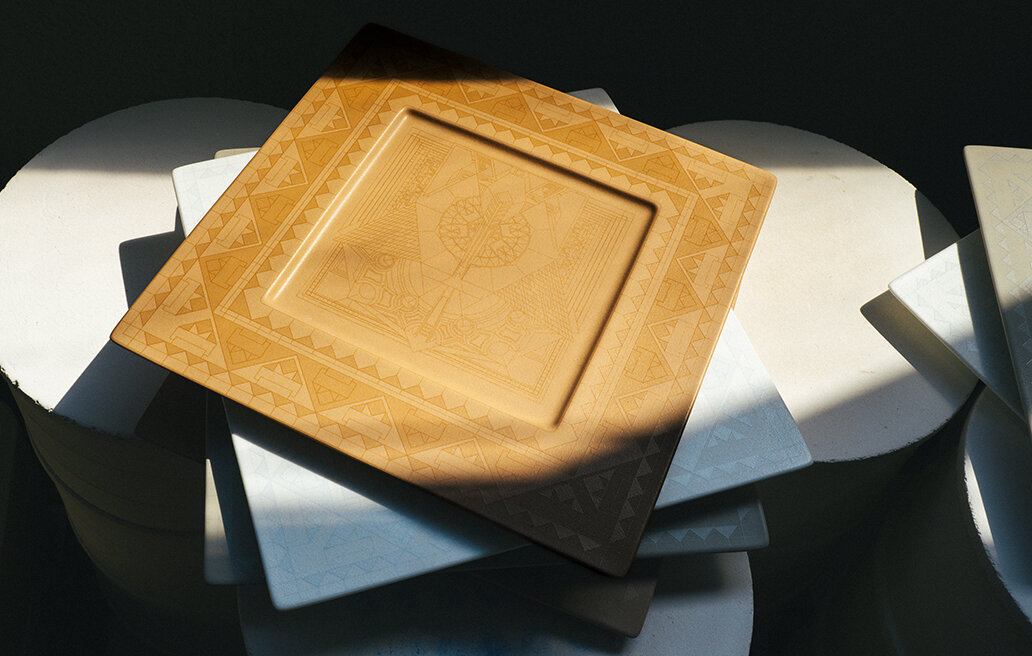
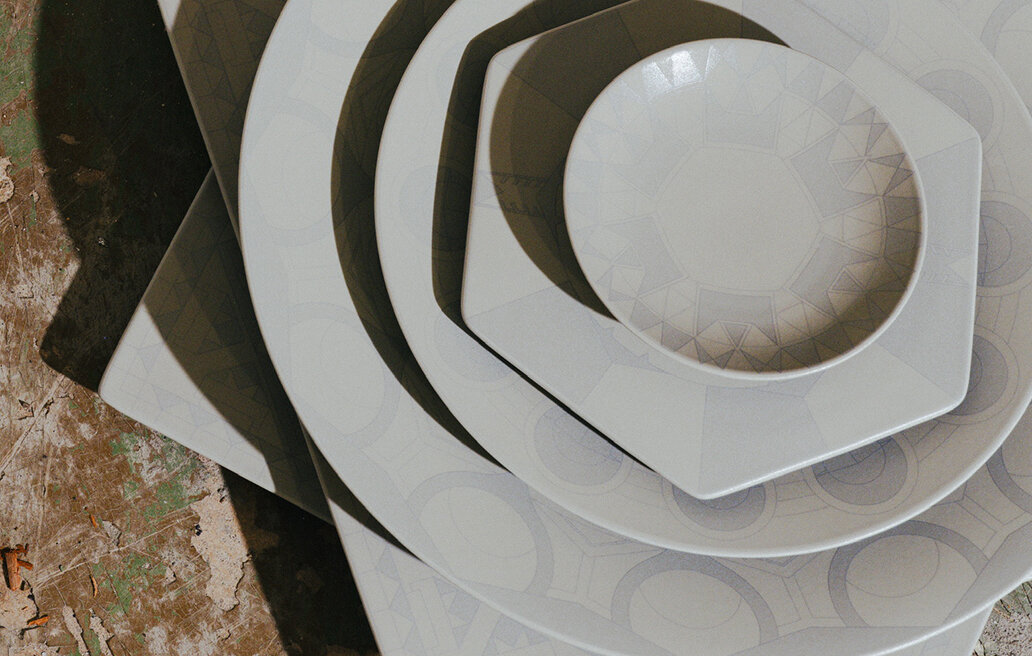
「IMPERIAL PEACOCK」は、フランク・ロイド・ライトの象徴的な孔雀のアートワークから独自のパターンを分解してデザインされたもので、帝国ホテルのために手彫りされた作品へのオマージュです。鮮やかな羽毛を持つクジャクは、古くから日本の美意識において自然の優雅さの象徴として描かれてきました。クジャクの優雅さは、絨毯や家具から精巧なタペストリーまで、多くのディテールに織り込まれています。フランク・ロイド・ライトはかつてクジャクを、純粋な「美への愛」のために地球にもたらされた「精神的な存在」と表現しました。その優美さとしなやかさ、そして飼いならされてもなお色褪せない美しさに、彼は魅了されました。この美の精神は、ライトが1915年に東京に建設した帝国ホテルの設計において、指針となるインスピレーションとなりました。
IMPERIAL PEACOCK, is a homage to Frank Lloyd Wright’s unique patterns deconstructed from his iconic Peacock artwork, hand carved in Oya stone for the Imperial Hotel. The peafowl, with its vibrant plumage, has long been depicted in Japanese aesthetics as a symbol of the elegance of nature. The peacock’s elegance was woven into many details, from rugs and furniture to intricate tapestries. Frank Lloyd Wright once described the peacock as “a spiritual element” introduced to Earth for the sheer “love of beauty.” Its grace and resilience captivated him—a beauty that, even when domesticated, endures. This spirit of beauty became a guiding inspiration for Wright’s 1915 design of the Imperial Hotel in Tokyo.
 Photography by Stefan Dotter
Designer
 Historical photographs and drawings: The Frank Lloyd Wright Foundation Archives. (The Museum of Modern Art | Avery Architectural & Fine Arts Library, Columbia University, NY)
フランク・ロイド・ライト(1867-1959)の作品は、近代建築の発展において極めて重要な役割を果たしたとして世界的に認められています。自然と人間との関係を深く理解したライトの思想とデザインは、自然界の有機的なフォルムにインスピレーションを得ています。
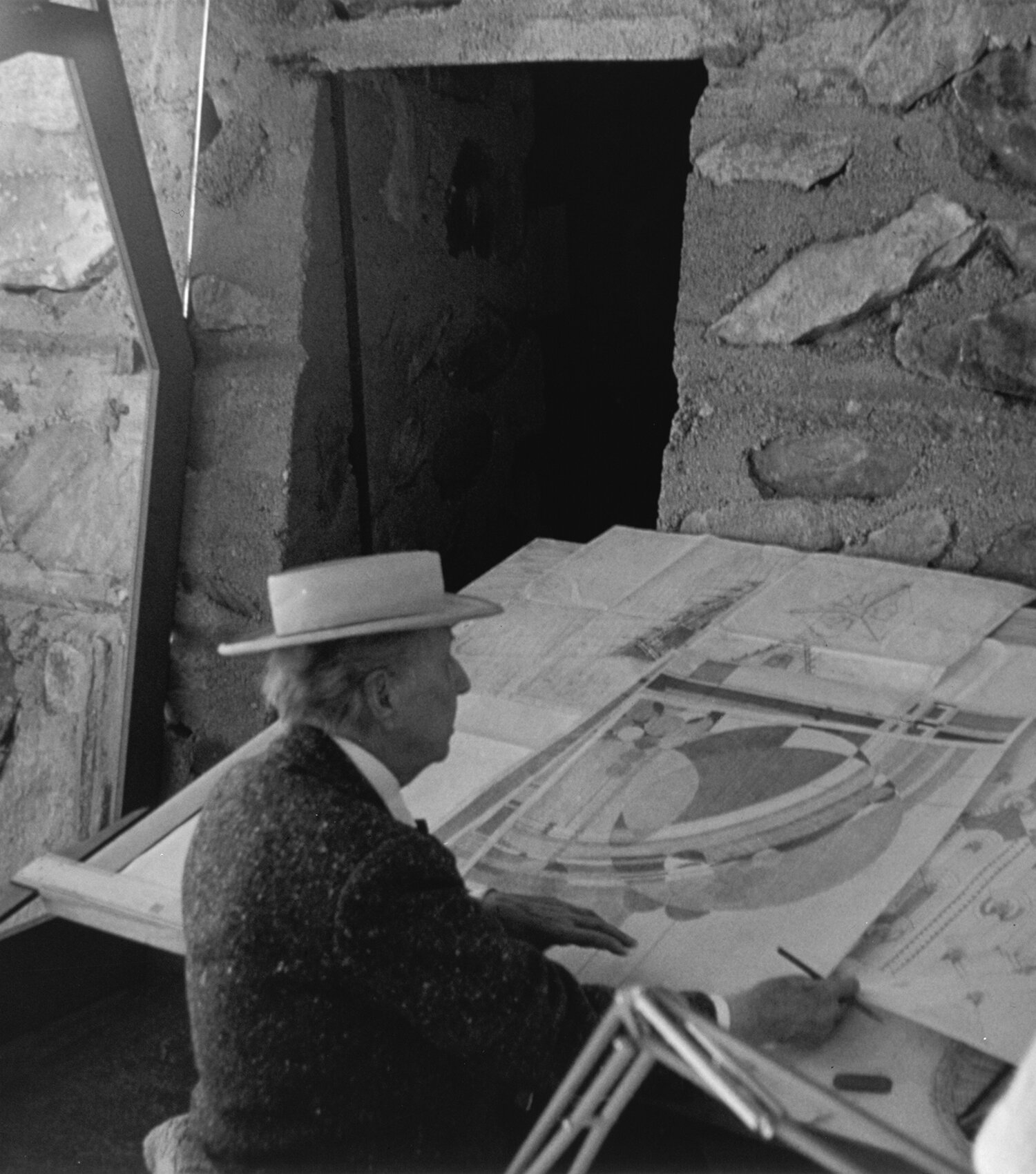
彼はかつて「地球上で最もロマンチックで芸術的、そして自然にインスピレーションを受けた国」と評した日本に、多くの賞賛すべき点を見出し、精神的な交わりを含め、様々なレベルで日本と交流しました。1905年の初来日にはじまり、1917年から1922年にかけて、東京の帝国ホテル(1968年に解体)の建築家としてほぼ3年間日本に滞在し、統一感のあるデザインを生み出しました。当時、ライト設計の帝国ホテルで使用されていた食器は、フランク・ロイド・ライト自身によってデザインされ、ノリタケの前身である日本陶器合名会社によって製造されました。「生活をより美しく、世界をより住みよい場所にし、人生にリズムと意義と価値を与える」という彼のビジョンは、フランク・ロイド・ライト財団を通じて受け継がれ、世界遺産リストにも登録されています。
The work of Frank Lloyd Wright (1867-1959) is recognized worldwide as pivotal to the development of modern architecture. Through a deep understanding of our relationship with the natural world, Wright’s ideas and designs were inspired by organic forms.
He found much to admire in Japan, the country he once described as “the most romantic, artistic, nature inspired country on earth.” Wright interacted with Japan on several levels, from physical reality to spiritual communion. He made his first trip to Japan in 1905, and between 1917 and 1922, he spent almost three full years there as the architect of the Imperial Hotel in Tokyo (demolished 1968) and in that time created many decorative elements for the interior of the Hotel to create a unified design. The tableware used in the Wright-design Imperial Hotel at the time was designed by Frank Lloyd Wright and manufactured by Nippon Toki Gomei Kaisha, the predecessor of Noritake.
His vision, “to make life more beautiful, the world a better one for living in, and to give rhyme, reason, and meaning to life” is carried on through the Frank Lloyd Wright Foundation and represented on the World Heritage List.